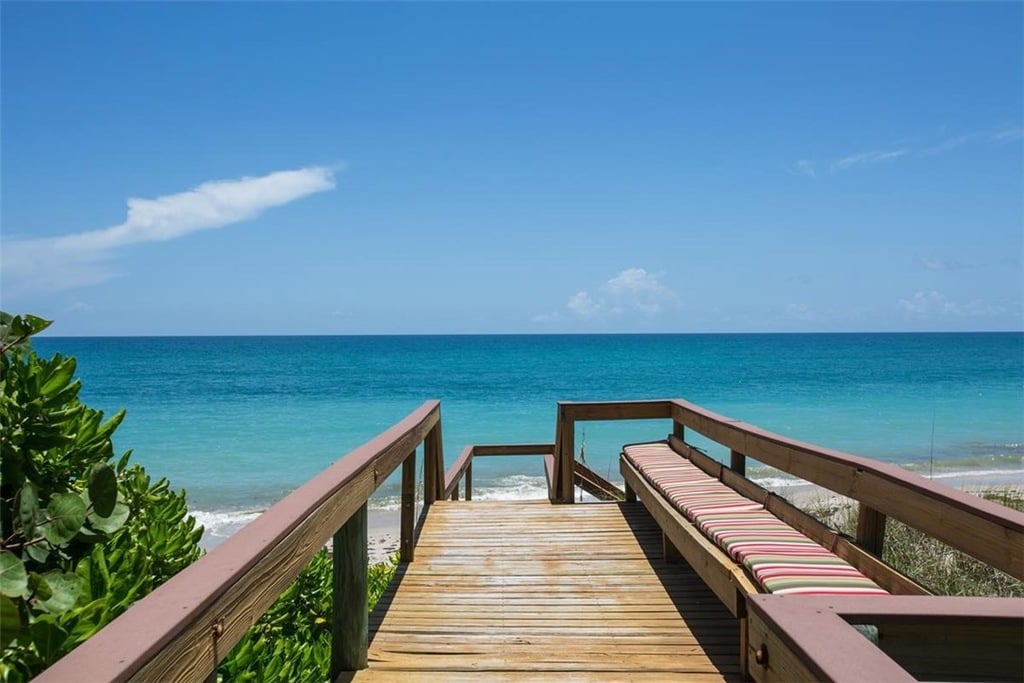
Is your Vero Beach waterfront home worth more today than last season, and how do you prove it to buyers who know the barrier island well? When you own on the ocean or the Indian River, every foot of frontage and every permit can move the needle. You want a pricing plan that defends value, attracts serious prospects, and moves you smoothly from first showing to closing. In this guide, you’ll learn the specific factors buyers pay for in 32963, how to select comparables in a low‑turnover market, and the steps to position your home for a confident launch. Let’s dive in.
Oceanfront vs riverfront: value drivers
Frontage type and orientation
Start with the correct category. Direct oceanfront and direct riverfront trade differently than ocean‑view or river‑view only. Confirm linear feet of private frontage, whether any public right‑of‑way intervenes, and the home’s orientation to sunrise or sunset. True direct oceanfront typically commands the highest base value, while riverfront value hinges on water depth, usable dockage, and view quality.
Elevation and flood profile
Buyers and insurers look closely at elevation and FEMA flood zones. Gather your Elevation Certificate, finished floor elevations, and base flood elevation. Features such as raised foundations, impact‑rated openings, flood vents, and documented dune or seawall improvements reduce perceived risk and can support a stronger price or faster market response.
View corridors and sightlines
Not all views are equal. Document panoramic views from main living areas and the primary bedroom, and note any vegetation or neighboring structures that limit sightlines. Use clear daytime, twilight, and drone images to demonstrate unobstructed views. The cleaner and wider the view, the stronger the premium.
Dockage and water depth
For riverfront, a permitted, usable private dock with good depth at mean low tide is a major value driver. Note slip size, lift capacity, and channel access. Verify permits and maintenance history for docks and pilings. If you lack dockage, expect buyers who boat to price in that limitation.
Lot scale, seawall, and shoreline condition
Lot width, depth, and buildable area after setbacks make a real difference. Record the condition of your seawall or riprap and any repairs. Shoreline stabilization often requires permits, so documentation adds confidence. Failing seawalls or visible settlement are high‑impact items that can deter offers if not priced correctly.
Architectural caliber and construction
High‑quality design and construction attract attention in 32963. Capture the architect or builder, structural systems, ceiling heights, and glazing facing the water. Integration of indoor‑outdoor living, durable coastal finishes, and thoughtful floor plans can command premiums. Distinctive design can narrow the buyer pool, so support your list price with comparable quality examples where possible.
Renovations and maintenance history
Buyers place real value on documented upgrades. Present permits, warranties, and invoices for mechanicals, roofs, impact glass, generators, and waterproofing. Clear maintenance records for seawalls and docks help reduce perceived risk and strengthen your negotiating position.
Proximity to clubs and amenities
Distance to private beach access, country and yacht clubs, marinas, dining, and airport access influences desirability for high‑net‑worth buyers. Note gate access where applicable and community membership transfer rules. Convenience and service often translate into a neighborhood premium.
Insurance and carrying costs
Be ready to discuss windstorm and flood insurance availability, deductibles, and typical premiums. Recent changes can affect buyer purchasing power. When you present elevation data and mitigation features alongside realistic carrying costs, you help buyers justify your price.
Regulatory and environmental factors
Coastal construction rules, setback requirements, and protections such as mangrove buffers and sea turtle nesting windows can shape what is possible on site. Gather relevant permits and approvals. Transparency reduces surprises during due diligence, which protects your price.
Build your pricing file
Prepare a clean, complete packet before you go to market. It speeds buyer decisions and supports your valuation.
- Current survey and legal description
- Elevation Certificate and FEMA flood zone details
- Dock and seawall permits, inspections, and maintenance records
- Renovation permits, warranties, and receipts
- Title exceptions and any recorded easements or access points
- HOA or club membership transfer rules, if applicable
- A curated set of waterfront comparables with notes on adjustments
Select comparables in a low‑turnover market
Start with frontage‑first matches
Anchor to properties with the same frontage type first, then align lot width, elevation profile, view quality, and usable dockage. Match effective living area and finish level. In 32963, heterogeneity is high, so resist the urge to rely on broad neighborhood averages.
Balance time and distance
When few direct comps exist, widen the time window to 12–36 months and apply time adjustments. Expand geography only where shoreline and waterfront characteristics remain consistent. Cross‑market substitutions can work with caution and documented rationale.
Quantify adjustments with evidence
Use paired‑sale logic to isolate the impact of key variables such as dock presence, frontage width, elevation, and renovation level. Dollar or percentage adjustments should reflect local patterns, not national rules of thumb. Support your conclusions with broker and appraiser input.
Leverage private market intelligence
Withdrawn and expired listings reveal price resistance points. Off‑MLS and pre‑market sales are common in luxury segments. Tap into professional networks and collaborate with local experts to validate price appetite.
Inspect on site
Photos never tell the whole story. Confirm tidal behavior, inspect docks and seawalls, and validate view corridors in person. Collect surveys, elevation data, and recent coastal permits to avoid mispricing.
Set the list price and strategy
Anchor to true comps
Price to the handful of most relevant waterfront sales, not the broader island. Plan a small negotiation buffer for expected concessions. If the first two to three weeks do not generate qualified showings, react quickly with price or marketing adjustments.
Time to seasonal demand
Peak seasonal demand typically runs from November through April. Listing into this window can help reach out‑of‑state buyers at the right moment. Off‑season launches can still succeed when inventory is tight, so weigh current conditions alongside timing.
Elevate presentation and media
Invest in professional interiors, twilight exteriors, and drone footage that proves frontage, channel access, and view width. Show high and low‑tide imagery and sightlines from key rooms. Quality assets differentiate your listing and help defend your price.
Plan showings around water and light
Schedule private tours when the light and tide favor your views and dock usability. Limit public opens if privacy is a concern and prioritize broker previews and qualified buyer tours.
Use feedback as data
Track comments about elevation, insurance, dock functionality, and view. If multiple prospects cite the same hurdle, refine your pricing or offer a targeted credit. Agility early in the campaign preserves momentum.
Negotiation levers that protect price
- Pre‑listing inspections for docks, seawalls, roof, and systems reduce friction and build trust.
- Offer strategic credits for defined repairs rather than broad price cuts.
- Consider a limited home warranty for mechanicals to ease risk concerns.
- Be transparent on permits and environmental limitations to prevent retrades late in escrow.
Oceanfront checklist
- Confirm direct ocean frontage versus ocean‑view only
- Document dune condition, beach width, and crossover location
- Provide Elevation Certificate and finished floor elevations
- Highlight impact glass, structural upgrades, and backup power
- Show unobstructed view photos from main rooms and primary suite
Riverfront checklist
- Verify permitted private dock, slip size, lift capacity, and water depth at mean low tide
- Document channel access and approach conditions
- Provide seawall records and any recent marine engineering reports
- Present panoramic view photos and note vegetation or mangrove buffers
- Include insurance info and elevation data that speak to flood risk
A precise, document‑driven pricing plan gives buyers confidence and helps you capture full market value. When you combine frontage‑first comparables, on‑site verification, and polished storytelling, your listing stands out in 32963’s low‑turnover luxury segment.
Ready to price with clarity and launch with confidence? Request a confidential valuation and tailored strategy with Luke Webb.
FAQs
How much more is oceanfront vs riverfront in Vero Beach?
- Oceanfront often commands the highest premium, but the exact difference depends on frontage width, dune and beach quality, view, and current demand, so use same‑frontage comps first.
How much does a private dock add to a 32963 riverfront home?
- A permitted, usable dock with good depth and direct channel access is a major driver for boating buyers, and the premium should be quantified using local paired sales.
How does flood insurance affect pricing on the barrier island?
- Higher projected wind and flood premiums can reduce purchasing power, so present elevation data and mitigation features to support value and speed decisions.
Should I repair a seawall or dock before listing?
- If a visible defect materially impacts usability or safety, repairs often improve marketability and help preserve price; otherwise, price transparently to reflect the work.
What if there are no recent comps near my property?
- Expand the time window and apply time adjustments, widen the radius cautiously where shoreline traits match, and supplement with off‑market intel and local appraiser input.