Choosing between the Atlantic and the Indian River Lagoon in Vero Beach is not just about picking a view. In 32963, oceanfront and riverfront living can feel like two very different versions of waterfront life, each with its own rhythm, upkeep, and day-to-day experience. If you are weighing where you want to spend your time, protect your investment, and enjoy the water, this guide will help you compare both sides with more clarity. Let’s dive in.
Understanding waterfront living in 32963
In Vero Beach ZIP code 32963, the choice is really a barrier-island choice. Oceanfront means direct frontage on the Atlantic side, while riverfront usually means frontage on the Indian River Lagoon.
That distinction matters because the island includes multiple jurisdictions, including the City of Vero Beach, the Town of Indian River Shores, the Town of Orchid, and unincorporated Indian River County. Even within the same ZIP code, the waterfront setting, flood review process, and ownership experience can vary by address.
The lifestyle difference is also meaningful. The Atlantic side is shaped by beach access, surf exposure, and shoreline recreation, while the lagoon side is more tied to boating, estuary ecology, and protected-water activity.
Oceanfront living in Vero Beach
Direct beach access and open views
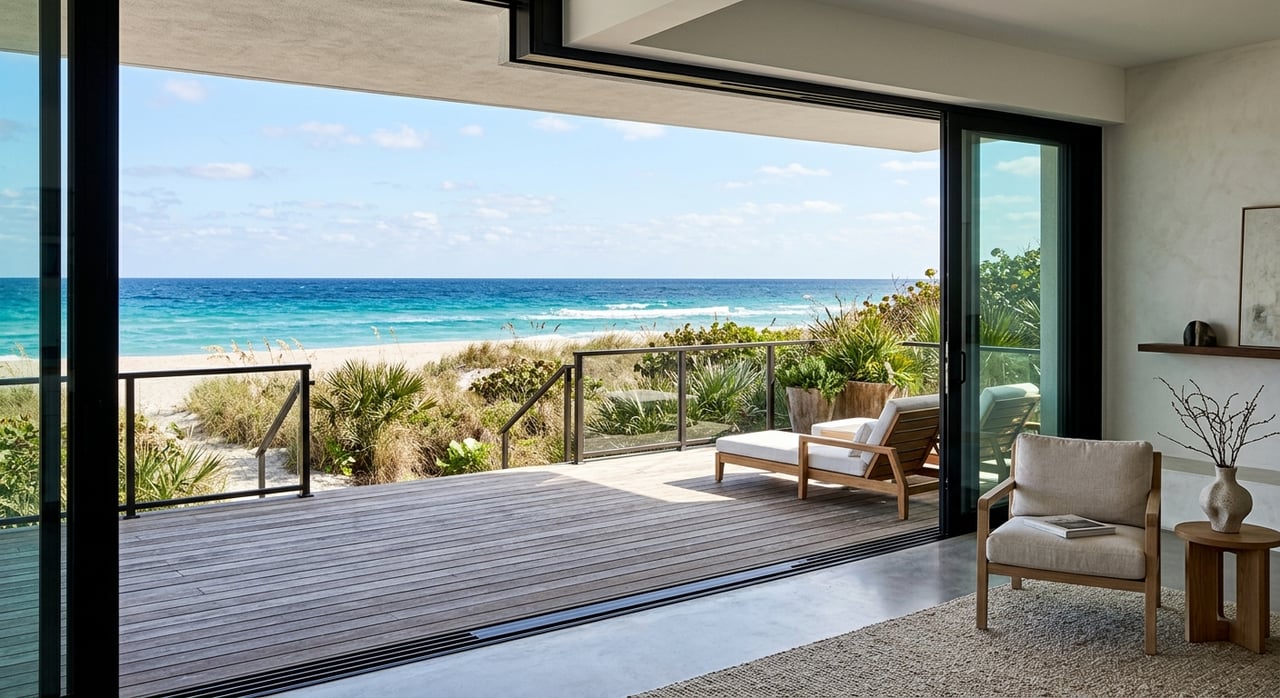
If your ideal morning starts with stepping onto the sand, oceanfront is the clearest fit. Indian River Shores has about 6 miles of Atlantic beach, and Indian River County reports 22.4 miles of sandy beaches with 40 public accesses across the county.
For many buyers, the main draw is simple: open Atlantic views and immediate beach access. Vero Beach is known for quiet, uncrowded beaches, which makes oceanfront ownership especially appealing if you want a true walk-out-to-the-shore experience.
A beach-centered daily lifestyle
Oceanfront living often revolves around the shoreline itself. Your day may be shaped by beach walks, sunrise views, surf conditions, and time spent outdoors along the dune line.
This side of the island tends to suit buyers who value the classic coastal setting first. If the beach is the reason you are buying in Vero Beach, the ocean side usually delivers the strongest match.
More exposure to shoreline conditions
Oceanfront ownership also comes with more direct exposure to coastal forces. Indian River County states that 19.3 of its 22.4 shoreline miles were classified as critically eroded in 2025, and some shoreline sectors follow beach and dune nourishment cycles of about 5 to 7 years.
That means oceanfront owners are more connected to erosion monitoring, dune work, and shoreline management activity. In practical terms, this can affect how you think about long-term stewardship, maintenance planning, and property-level due diligence.
Riverfront living in Vero Beach
A boating and lagoon lifestyle
On the river side, the experience shifts from beach-first to watercraft-first. Indian River County says there are 23 miles of the Indian River Lagoon to explore in the county, and the City of Vero Beach Municipal Marina serves more than 3,000 visiting boats each year.
This side often appeals to buyers who picture dock access, boating days, fishing, and easier use of paddleboards or kayaks. The county’s public boat-ramp network further reinforces how central boating is to lagoon life.
A stronger connection to nature
The lagoon is a shallow estuary where saltwater blends with freshwater, and it supports seagrass beds, mangroves, oysters, dolphins, manatees, birds, and spoil islands. Indian River County describes it as one of the most biologically diverse estuaries in the United States.
For you as a homeowner, that often translates into a quieter and more nature-forward setting. The feel can be less about surf and sand and more about calm water, wildlife viewing, and a close relationship with the surrounding estuary.
A more tucked-away feel
Riverfront privacy is still property-specific, but many lagoon-front homes feel more removed from the public beach corridor. That can create a more sheltered atmosphere, especially when lot orientation and dock placement work in your favor.
In Indian River Shores, the limited direct beach access pattern supports that impression. Still, privacy depends on the actual parcel, neighboring improvements, and any applicable community design standards.
Ownership differences to compare carefully
Flood zones and elevation requirements
One of the biggest differences between oceanfront and riverfront ownership is exposure and floodplain review. The Town of Indian River Shores says much of the Atlantic-side frontage is in FEMA Zone VE, while the rest is in AE, and almost all permitted development requires floodplain review.
The town also states that new or substantially improved structures in a Special Flood Hazard Area must be elevated at least 2 feet above base flood elevation. Depending on the property, you may also need to verify elevation certificates or V-zone documentation.
Oceanfront homes are generally the more exposed side when it comes to wave action and shoreline attack. But riverfront homes should never be assumed to be simple from a flood standpoint, since lagoon-side parcels can also fall within Special Flood Hazard Areas.
Maintenance looks different on each side
Oceanfront maintenance usually means greater exposure to salt spray, moisture, and coastal wear. These conditions can accelerate corrosion and material decay, which is an important consideration for exterior finishes, connectors, and long-term upkeep.
On the river side, maintenance often shifts toward dock infrastructure, shoreline vegetation, and lagoon stewardship. Indian River County notes that mangrove trimming and alteration are restricted and may require a permit, so natural shoreline features are not always something you can modify freely.
Insurance and property-specific review
Insurance costs and requirements can vary by parcel and jurisdiction. Indian River Shores notes that its CRS Class 6 rating provided residents a 20% flood-insurance premium reduction as of 2023, while Indian River County’s newer flood maps took effect on January 26, 2023.
The key takeaway is that labels like oceanfront and riverfront are only the starting point. Before you make a decision, confirm flood zone, elevation status, insurance considerations, shoreline condition, and any permitting or HOA constraints for the specific property.
Oceanfront vs riverfront at a glance
| Lifestyle Priority | Oceanfront | Riverfront |
|---|---|---|
| Daily setting | Beach and Atlantic views | Lagoon and estuary views |
| Best fit for | Beach access, shoreline recreation, open water scenery | Boating, fishing, kayaking, paddleboarding, wildlife viewing |
| Water conditions | More exposed to surf and wave action | More sheltered water setting |
| Ownership focus | Erosion, dune work, salt exposure, coastal review | Docks, vegetation, mangrove rules, lagoon stewardship |
| Due diligence priority | Flood zone, erosion context, beach-management activity | Flood zone, dock and shoreline conditions, vegetation restrictions |
How to choose the right fit
Choose oceanfront if beach access is your priority
If your vision of Vero Beach centers on the Atlantic, sunrise views, and direct sand access, oceanfront will likely feel more aligned. This option tends to appeal most to buyers who want the classic barrier-island beach lifestyle and are comfortable evaluating the added exposure that comes with it.
Choose riverfront if you want a dock-centered lifestyle
If you are drawn to boating, calm-water recreation, and a stronger connection to the lagoon, riverfront may be the better match. It often offers a more estuary-centered experience that feels private, active, and closely tied to the water without being beach-driven.
Let the property decide the final answer
In 32963, the smartest choice often comes down to the individual parcel, not just the side of the island. Two homes with the same waterfront label can differ meaningfully in flood designation, shoreline condition, maintenance profile, and day-to-day livability.
That is where local, property-level guidance matters most. A thoughtful comparison should go beyond the view and into the realities of access, resilience, upkeep, and long-term enjoyment.
Whether you are considering an oceanfront estate or a riverfront retreat, Luke Webb offers discreet, concierge-level guidance tailored to Vero Beach’s unique waterfront micro-markets.
FAQs
What does oceanfront mean in Vero Beach 32963?
- In 32963, oceanfront generally means direct frontage on the Atlantic side of the barrier island.
What does riverfront mean in Vero Beach 32963?
- Riverfront usually means frontage on the Indian River Lagoon side of the barrier island rather than the Atlantic beach side.
Is oceanfront or riverfront better for boating in Vero Beach?
- Riverfront is typically the better fit for a boating-focused lifestyle because the lagoon side is more connected to docks, marinas, boat ramps, and protected-water use.
Is oceanfront or riverfront better for beach access in Vero Beach?
- Oceanfront is the clearer choice if your top priority is immediate beach access and direct Atlantic frontage.
Do oceanfront homes in Indian River Shores have different flood considerations?
- Yes. The Town of Indian River Shores says much of the Atlantic-side frontage is in FEMA Zone VE, and permitted development often requires floodplain review and elevation-related verification.
What should buyers verify before choosing oceanfront or riverfront property in Vero Beach?
- Buyers should verify the specific property’s flood zone, elevation certificate status, insurance requirements, shoreline condition, and any HOA or permitting constraints before making a decision.