If you are considering a second home in Vero Beach’s 32963 communities, the lifestyle can be easy to picture. What is harder to see at first glance is how much the ownership experience can vary from one property to the next. On this barrier island, details like association structure, parcel jurisdiction, rental rules, and flood exposure can shape both your costs and your day-to-day peace of mind. This guide will help you understand what to review before you buy so you can move forward with more clarity and confidence. Let’s dive in.
Why 32963 Ownership Needs Closer Review
A second home in 32963 often comes with a very specific ownership framework. You may be looking at a condominium, a homeowners’ association, or a community with separate club or amenity obligations. Each setup can affect your budget, your use of the property, and your responsibilities while you are away.
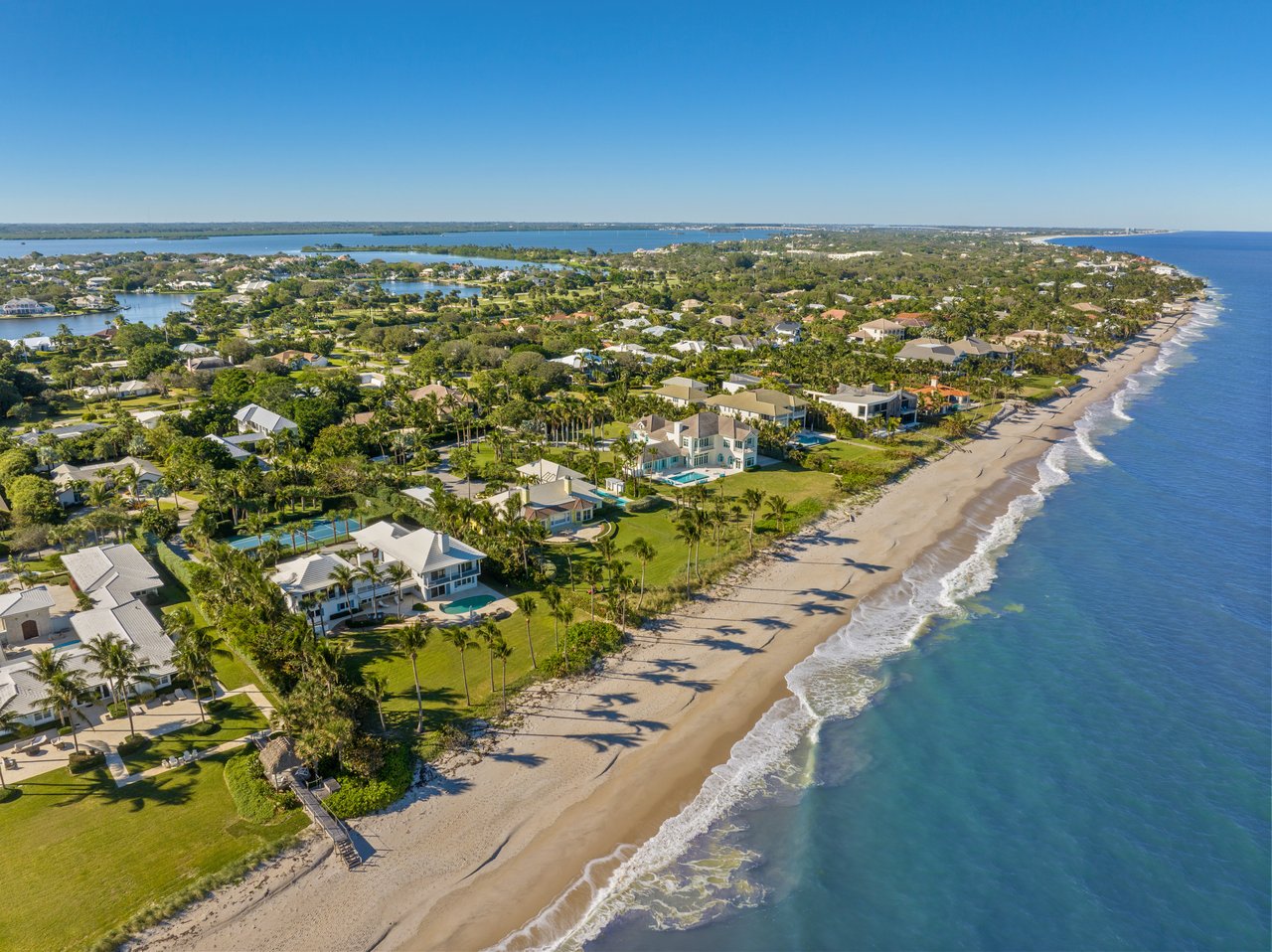
The location also matters in a practical way. Indian River County describes the barrier island as low-lying and especially vulnerable to storm surge in Coastal Barrier Resources Act zones. The county also offers flood-zone map assistance, which makes flood review an important part of early due diligence.
Community Type Shapes Ownership Costs
Condominiums Bring Shared Financial Planning
In a condominium, ownership costs are not just about your mortgage, taxes, and insurance. Florida’s Condominium Act requires associations to operate under recorded declarations and bylaws, prepare annual budgets and financial reports, and, for qualifying buildings of three habitable stories or higher, maintain structural integrity reserve studies.
That reserve framework matters more than many seasonal buyers expect. For unit-owner-controlled associations that must obtain a structural integrity reserve study, budgets adopted on or after December 31, 2024 generally cannot waive or reduce required reserves for the covered items. Those costs may be funded through regular assessments, special assessments, lines of credit, or loans.
Condo taxation also works differently than some buyers assume. Florida taxes condominium parcels separately rather than taxing the condominium property as one whole parcel. That is another reason to review ownership costs as a full package instead of focusing on the list price alone.
HOAs Have Their Own Rules and Authority
In a homeowners’ association, you are usually entering a mandatory-membership community. Under Chapter 720, HOAs have assessment authority, lien rights, official-records requirements, budgets, financial reporting obligations, and in some cases the ability to levy fines or suspend use rights when the governing documents allow it.
For a second-home buyer, this means the recorded documents deserve careful review. Assessments are tied to the owner’s proportional share of expenses as laid out in the governing documents. Before you commit, it is worth understanding not only the current dues but also how the community allocates expenses and handles enforcement.
Club-Linked Communities Can Add Another Layer
Some 32963 properties are also tied to club or recreational use arrangements. Florida law allows condominium associations to acquire golf, marina, club, and other recreational memberships or use interests for the benefit of unit owners. In practice, that can mean a home carries more than one category of recurring cost.
If you are buying in a club-oriented setting, ask for a clear picture of every required or optional charge. Association dues, club dues, and use-based fees can all affect the real carrying cost. In higher-end coastal communities, this step is especially important because the property may be turnkey in appearance while the fee structure is more layered behind the scenes.
Renting a Second Home Is More Than a Marketing Decision
Many second-home buyers like the idea of offsetting costs through occasional rentals. In 32963, that decision is not just about demand or presentation. It is also about licensing, taxes, and local rules that may differ depending on the exact parcel.
Florida defines a vacation rental as a transient public lodging establishment in a condominium, cooperative, or one- to four-family dwelling that is rented more than three times in a calendar year for periods of less than 30 days, or is advertised or held out as being regularly rented for that period. Florida also says transient rentals of six months or less are subject to state sales tax, discretionary sales surtax, and local option transient rental taxes.
County and Town Rules May Differ
This is one of the most important points for 32963 buyers. Indian River County’s code-enforcement guidance says its vacation-rental guidance applies only to unincorporated county areas. Indian River Shores has its own short-term-vacation-rental code section, and that section was amended by ordinance in March 2026.
In simple terms, you should not assume the county checklist applies everywhere on the barrier island. The exact parcel jurisdiction matters. Before you plan around future rental income, confirm whether the property is in unincorporated Indian River County, Indian River Shores, or another jurisdiction with its own rules.
County Licensing Has Specific Requirements
For properties under Indian River County’s vacation-rental process, each unit needs a separate county license that is valid for three years. The county requires an inspection before issuance or renewal. Application materials include manager contact information, a state vacation-rental license, a local business tax receipt, a local tourist-tax account, parking details, and fire-safety items including carbon monoxide alarms when required.
The county also requires owners to report changes in vacation-rental manager or manager contact information within 10 days. Outdoor amplified sound cannot be audible from adjacent residential property. Commercial events at residences are prohibited under the county regulations.
Tourist Tax Should Be Part of Your Math
If you expect to rent the home short term, tourist tax should be included in your operating plan. Indian River County tourist-tax officials said the county had collected the full 5-cent Tourist Development Tax allocation since January 2025. Even if the home is mainly for seasonal use, short-term rental activity still brings tax obligations that need to be budgeted properly.
Remote Ownership Works Best With a Local Plan
A second home can be wonderfully low stress when the right support system is in place. It can also become complicated quickly if a storm approaches, a repair issue comes up, or an association notice needs a quick response while you are out of town.
Florida notes that a paid community association manager license is required when the association or associations served contain more than 10 units or have an annual budget over $100,000. The state also notes there is no state license for a property manager. That distinction is useful because buyers often assume all management roles are regulated in the same way.
Indian River County’s vacation-rental application reinforces the need for a named manager with a cell phone number, email, and mailing address. Whether or not you plan to rent the property, the broader lesson is the same. If you will not be in residence year-round, you need a clear plan for who can respond to storms, maintenance issues, guest concerns, and time-sensitive notices.
Carrying Costs Should Be Modeled as a Bundle
One of the biggest mistakes second-home buyers make is treating ownership cost as a single number. In 32963, a more accurate approach is to build a bundle of recurring and potential costs, then test how that total fits your plans.
Taxes May Differ From a Primary Residence
Florida’s homestead exemption requires the property to be the owner’s permanent residence on January 1. A second home typically does not qualify. That can affect your tax outlook compared with your primary residence.
Indian River County’s tax collector says the annual tax bill combines ad valorem taxes and non-ad valorem assessments. The county also said its unincorporated curbside-service assessment increased the non-ad valorem portion by $181.70 starting October 1, 2025. Depending on location, those line items can matter more than buyers expect.
Flood Exposure Needs Its Own Budget Line
Flood exposure should be evaluated separately from HOA or condo dues. Indian River County offers flood-zone map assistance and states that flood-protection requirements are addressed in Chapter 930 of the land-development regulations. The county also describes the barrier island as low-lying and especially vulnerable in CBRA zones.
FEMA says flood insurance is required for most loans on properties in a Special Flood Hazard Area. Even when financing is not driving the decision, flood review is still part of responsible second-home planning in this location. It is not just a closing issue. It is an ownership issue.
Reserve Exposure Can Affect Condo Buyers
For condominium buyers, reserve planning deserves extra attention. Florida law requires a structural integrity reserve study at least every 10 years for qualifying buildings of three habitable stories or higher. For applicable associations, reserve needs may be funded through regular assessments, special assessments, loans, or lines of credit.
Florida law also makes each unit owner liable for assessments while they own the unit. That is why budget review should include not only current dues but also reserve history and assessment history. In a luxury condo setting, the building may look flawless, but the financial documents still tell an essential part of the ownership story.
A Smart Due-Diligence Checklist for 32963
Before you buy a second home in Vero Beach’s 32963 communities, focus on the items that most directly affect ownership clarity.
- Confirm the property’s exact jurisdiction
- Identify whether it is a condo, HOA, or club-linked community
- Review recorded governing documents and the current budget
- Ask for reserve history and assessment history
- Verify rental permissions, licensing needs, and tax obligations
- Confirm who will handle local response when you are away
- Review flood-zone details early in the process
For many buyers, this kind of preparation turns a complex decision into a much cleaner one. It helps you compare properties more accurately and avoid surprises after closing.
A second home in 32963 can be an exceptional long-term fit, especially when the ownership structure matches how you plan to use the property. The key is to look beyond the views and finishes and understand the practical framework that comes with the address. When you approach the search with that level of clarity, you put yourself in a much stronger position to buy well.
If you are exploring a second-home purchase in Vero Beach’s barrier-island communities and want discreet, highly local guidance, Luke Webb offers a concierge-level advisory approach built around clarity, stewardship, and neighborhood-specific insight.
FAQs
What should you review before buying a second home in 32963?
- Confirm the parcel jurisdiction, identify the community type, review governing documents and budgets, ask for reserve and assessment history, verify rental rules and taxes, and make a plan for local property response while you are away.
How do condo costs work for a second home in Vero Beach 32963?
- Condo costs may include regular assessments, reserve funding obligations, possible special assessments, and separately taxed condominium parcels, so the total cost of ownership can go well beyond the purchase price.
Can you rent out a second home in Vero Beach 32963?
- In many cases you may be able to, but rental use depends on the property’s governing documents, parcel jurisdiction, and applicable licensing and tax requirements, which can differ between unincorporated Indian River County and Indian River Shores.
Why does parcel jurisdiction matter for a 32963 second home?
- Parcel jurisdiction matters because local rental and enforcement rules are not necessarily the same across the barrier island, and Indian River Shores has its own short-term-vacation-rental code section.
Do second homes in Indian River County qualify for the homestead exemption?
- Florida’s homestead exemption requires the property to be your permanent residence on January 1, so a second home normally does not qualify.
Why is flood review important for second-home ownership in 32963?
- Flood review is important because Indian River County describes the barrier island as low-lying and especially vulnerable to storm surge in CBRA zones, and flood-zone status can affect insurance and long-term ownership costs.