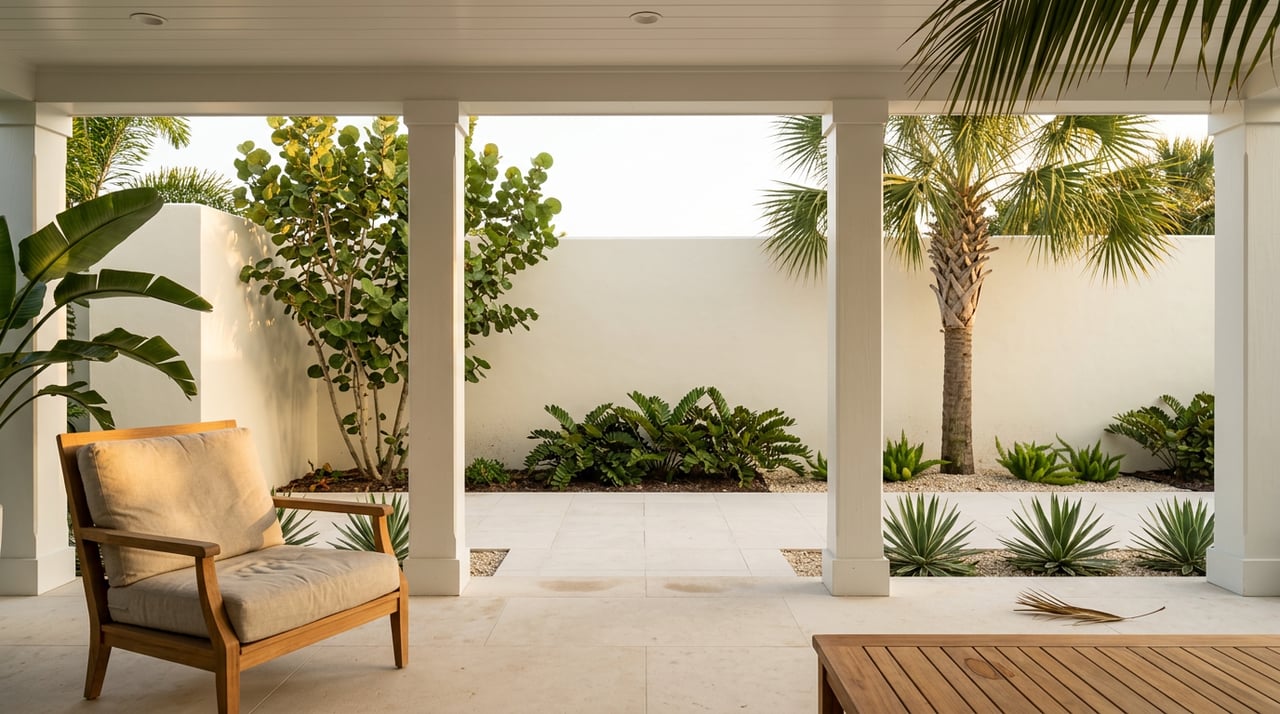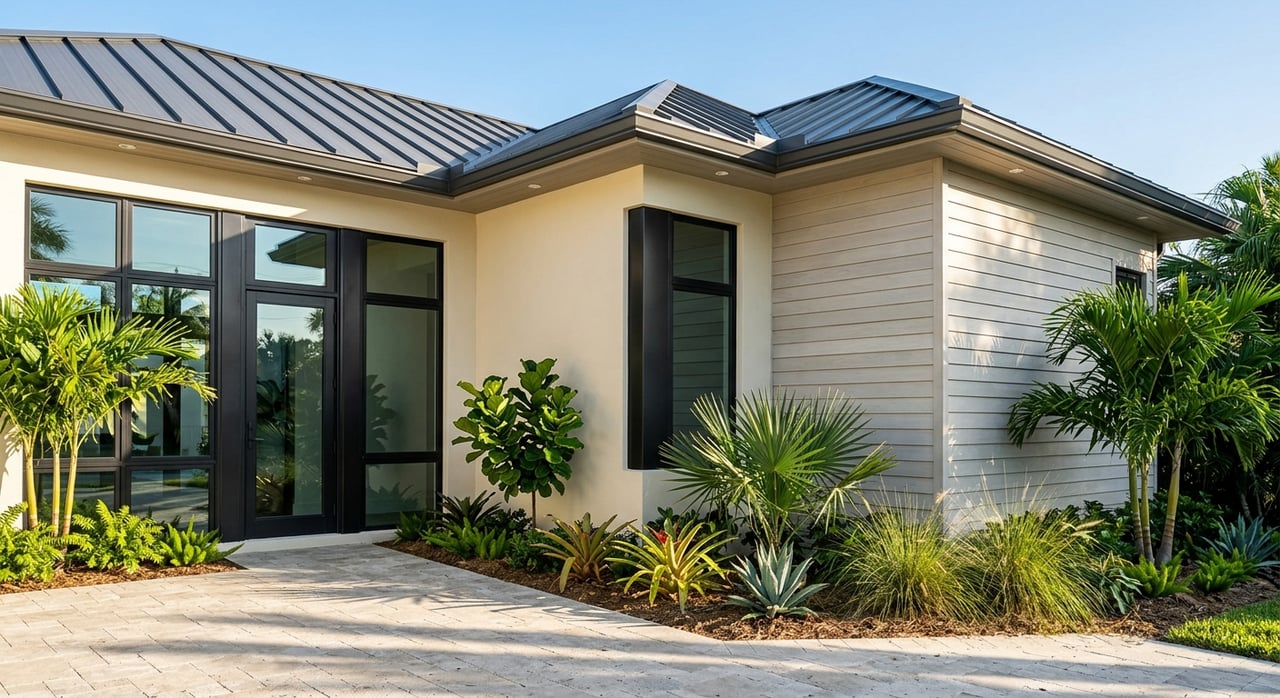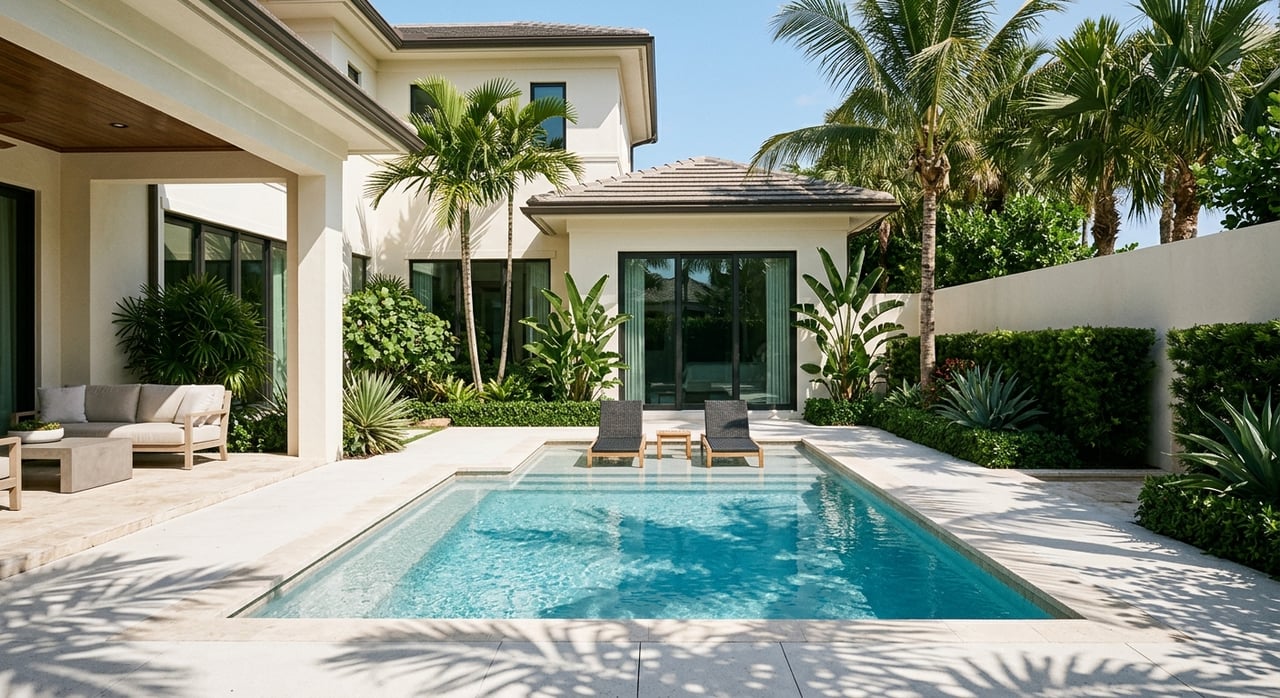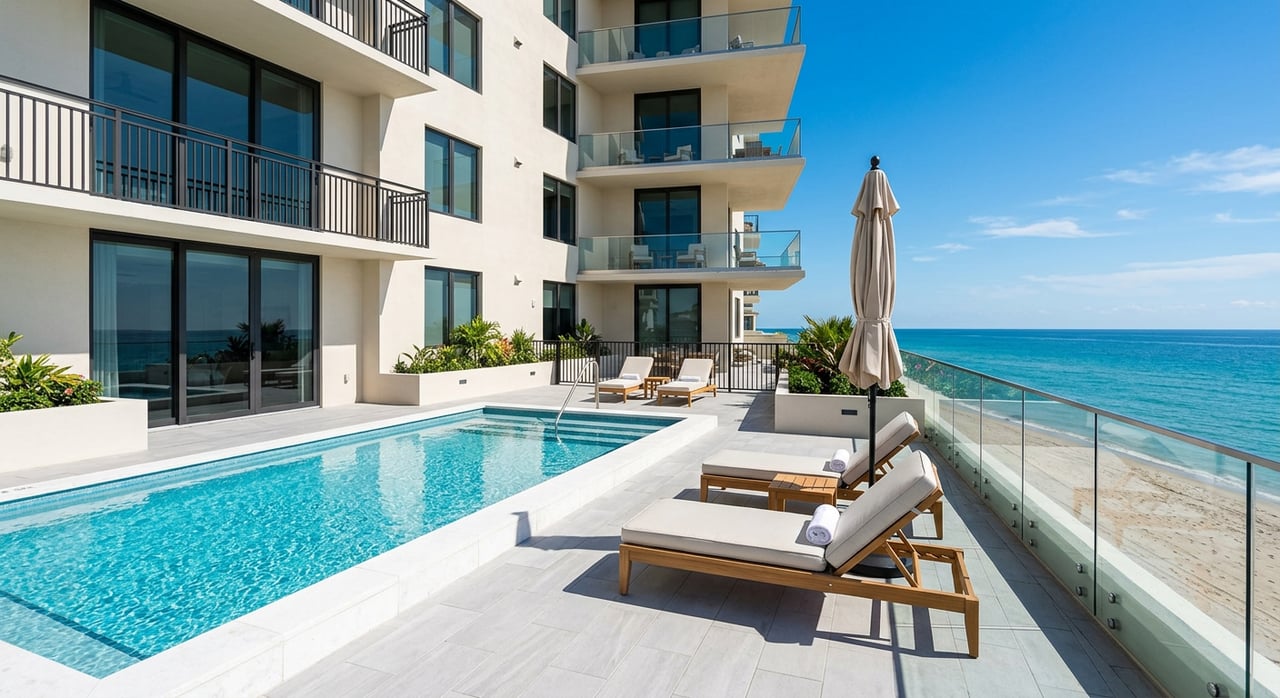
If waking up to Atlantic views is on your shortlist, 32963 makes it easy to live steps from the sand without taking on full single-family maintenance. You want clarity on prices, amenities, HOA rules, insurance, and Florida’s newer condo laws before you buy. This guide gives you a concise, practical look at oceanfront condominiums on Vero Beach’s barrier island, plus a checklist you can use on any building. Let’s dive in.
Market snapshot: 32963 condos
Recent local reporting in 2025 showed that oceanfront condo pricing moves with the mix of sales, with some months reflecting more closings in renovated or newer buildings and others leaning toward older inventory. For example, coverage cited median condo sales in certain months shifting from about $785,000 to $670,000 as product mix changed. You should also expect longer days on market in a buyers’ market and wider negotiation room on older units. Always anchor your expectations to the month and building type you are targeting.
- According to local reporting in 2025, pricing resilience varies by community and building quality.
- List prices can swing when new luxury closings hit, so look beyond a single median and compare by building, floor, and view.
Price ranges to expect
Based on active listing patterns and representative examples, you will typically see:
- Entry or value oceanfront units: roughly $350,000 to $650,000 for older, smaller, or lower-floor condos with simpler finishes.
- Midmarket oceanfront: about $650,000 to $1.5 million for renovated 2–3 bedroom plans and larger footprints.
- Luxury and new-build or penthouse product: $2 million and above, with select properties well over $3 million to $4 million.
Your exact price will depend on building pedigree, floor height, directness of ocean view, recent updates, parking and storage rights, and any premium features like a private pier or deeded garage.
Inventory and timing
As of June 2025, local market updates for 32963 described a buyers’ market with many condos available and slower monthly absorption. Many sales were taking 100 to 120 days to close, depending on price tier and condition. Use these dynamics to time your search, especially if you are flexible on finishes and can negotiate for updates or credits.
Building types and amenities
Low-rise to boutique towers
Along the barrier island, you will find a range of building forms:
- Low-rise walk-ups and beachfront villas with direct sand access and modest amenity sets.
- Mid-rise buildings with elevators, covered parking, and larger common areas.
- Boutique and newer luxury towers or limited-unit enclaves with higher price per square foot and resort-style services.
Age and construction matter. Many buildings were built in the 1970s through 1990s with concrete block and stucco systems, while newer towers use reinforced concrete and updated envelope designs.
Common vs premium amenities
What you can expect in a turnkey oceanfront condo often includes private or deeded beach access, a heated pool, spa, fitness room, assigned or covered parking, secure entry, on-site management, and deeded storage. Premium features can include concierge services, garage parking, rooftop or club-level amenities, and in some lagoon or marina settings, a private pier or boat slips. Premium features and service levels typically drive both price and monthly dues.
HOA fees and Florida rules
What condo fees usually cover
Association fees for beachfront buildings commonly include master building insurance, exterior and roof maintenance, elevator service, pool and grounds care, management fees, some common utilities, and reserves for future replacements. Coverage lines and responsibilities vary by the condominium declaration. Learn whether the master policy is “all-in” or “walls-out,” and where the association’s coverage ends and your HO-6 policy begins. Request the master policy declarations page to confirm details.
MLS entries show wide variability in reported dues, which can be presented as monthly, quarterly, or annual. One public listing in 32963 showed common charges of about $1,083 per month, while others reported higher periodic fees. Always verify what the number represents and what it includes, and confirm in the estoppel letter. You can see an example of how dues are displayed on a representative MLS listing.
Milestone inspections in Florida (2024)
Florida requires structural milestone inspections for condominium buildings that are three habitable stories or taller once a building reaches 30 years of age, then every 10 years after. Some coastal jurisdictions can require the first inspection at 25 years. These inspections are reported to local officials and owners. Review the statute for timing and scope in Florida Statutes §553.899 (2024).
SIRS and reserves (2025)
Under the Florida Condominium Act, associations must budget for reserves for capital expenditures and deferred maintenance, and many buildings are required to complete a Structural Integrity Reserve Study. Reserve amounts must be based on the study and maintained for the specified structural components. These rules affect monthly dues, special assessments, and lender project reviews. See Chapter 718 (2025) for details.
Insurance and flood planning
Flood zones and NFIP basics
Many oceanfront parcels in 32963 sit within FEMA Special Flood Hazard Areas such as AE or VE zones. If you finance your purchase, your lender will typically require flood insurance. Premiums depend on elevation, flood zone, and the specific building data. You can confirm a property’s zone and base flood elevation using the FEMA Flood Map Service Center.
Wind, hurricane, and deductibles
Oceanfront condo associations usually carry a master policy with a wind or hurricane component and a separate wind deductible. Whether coverage is all-in or walls-out and how deductibles are handled can change your out-of-pocket exposure after a storm. Florida’s insurance market has seen volatility and rate actions in recent years, with coastal and second-home policies often experiencing larger increases. For consumer-friendly context, review this Florida homeowners insurance guide.
Steps to line up coverage
- Request the association’s master policy declarations page and confirm the wind or hurricane deductible.
- Ask whether flood coverage applies to common elements.
- Confirm whether master-policy deductibles can be assessed to unit owners.
- Obtain an HO-6 quote early and specify your intended use, whether primary or second home. This Florida condo insurance primer explains common coverage elements to discuss with your agent.
Financing and project review
Conventional lenders review the condominium project, not just your unit. Buildings with underfunded reserves, heavy investor concentration, pending structural litigation, large special assessments, or inadequate master insurance can be tagged non-warrantable. That status can limit loan options and require higher down payments or portfolio financing. Ask your lender to run a preliminary project check before you write an offer and be ready to supply budgets, reserve studies, insurance certificates, and meeting minutes. For an overview of what lenders look for, see this condo project review summary.
Condo vs single-family: quick comparison
- Upfront cost: Condos usually offer lower entry pricing for oceanfront living compared with single-family oceanfront homes. Remember to factor monthly dues into your total cost of ownership.
- Maintenance: With a condo, the association handles exterior, grounds, pool, elevator, and roof, which suits many second-home buyers seeking a turnkey lifestyle. Single-family owners shoulder all exterior systems, seawalls, and landscaping.
- Insurance and assessments: Associations carry master insurance for the building, but unit owners can be assessed for large deductibles or capital projects. Single-family owners manage risks directly and have more control over mitigation.
- Privacy and control: Homes offer more privacy and flexibility for exterior changes. Condos trade some control for security, amenities, and services. Many associations set rental minimums and pet policies, so review the rules for your building.
Buyer due-diligence checklist
Use this list for any 32963 oceanfront condo you are serious about. Request certified or date-stamped copies.
- Governing documents: Declaration, Bylaws, and Articles. Confirm unit boundaries and responsibilities. See Florida Condominium Act (2025).
- Current budget and prior-year financials: P&L and balance sheet to gauge reserves and operating health.
- Structural reports: Latest reserve study and any SIRS or milestone inspection reports for 3-plus-story buildings, with cost estimates and funding plans. Statute reference: §553.899 (2024).
- Insurance: Master policy declarations page, wind and hurricane deductibles, and fidelity coverage. Confirm whether flood applies to common elements.
- Estoppel letter: All current or pending special assessments, fee schedules, and owner account status.
- Governance transparency: Board meeting minutes for the past 12 to 36 months, pending litigation summary, and major vendor contracts.
- Local filings: Evidence of required milestone or recertification filings and any building department notices.
- Unit-level rights: Deeded parking or garage space, storage, rental minimums, pet rules, and any owner-maintained systems like interior HVAC.
- Lender check: Ask your lender to review project warrantability early. Expect a full project review if not on an agency list.
For tax and parcel history, you can also reference the Indian River County Property Appraiser.
Red flags to pause on
- No milestone inspection or missing SIRS where required by statute.
- Thin reserves or a newly proposed large special assessment without a clear funding plan.
- Material structural litigation or repeated large insurance claims.
- Very high wind deductibles that could lead to significant post-storm assessments, or lack of fidelity and adequate liability coverage.
Your next steps
If you are comparing buildings, start by shortlisting three options in your target price band, then request the documents above and a sample insurance quote for each. Walk the building, inspect common areas, and confirm how the association communicates with owners. Finally, have your lender run a quick project review before you write an offer so you can choose the right financing track.
Ready to explore the best-fit oceanfront condos in 32963 or compare them to single-family options nearby? Request a private consultation with Luke Webb to review on-market and discreet opportunities and align your purchase with your long-term goals.
FAQs
What do 32963 oceanfront condos cost in 2025?
- Expect a wide range: roughly $350,000 to $650,000 for older or smaller units, $650,000 to $1.5 million for renovated 2–3 bedroom plans, and $2 million-plus for luxury or new-build product.
What do oceanfront condo fees usually include in Vero Beach?
- Typically master insurance, exterior and roof maintenance, pool and grounds care, elevators, management, some common utilities, and reserves, though coverage varies by declaration.
What are Florida condo milestone inspections and who needs them?
- Buildings three stories or taller must complete structural milestone inspections at 30 years of age and every 10 years after, with some coastal areas requiring earlier timing.
Do I need flood insurance for a Vero Beach oceanfront condo?
- If a mortgage is involved and the property is in a FEMA Special Flood Hazard Area, flood insurance is typically required, with premiums based on elevation and building data.
How is condo financing different from a house in Florida?
- Lenders review the condo project’s financials, reserves, insurance, and any structural issues; non-warrantable buildings can require larger down payments or portfolio loans.