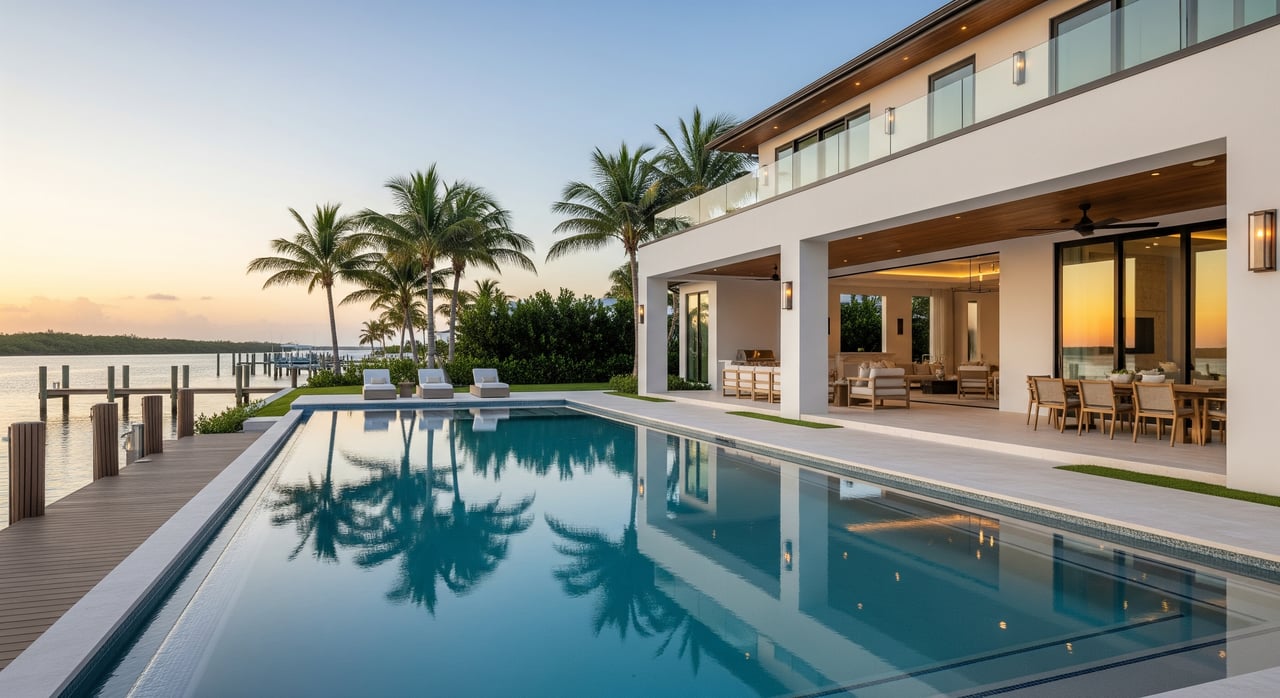
Looking to make your Vero Beach home stand out to luxury buyers in 32963? You are not alone. Sellers and builders across Indian River County are asking what truly moves the needle for oceanfront, riverfront, and private club properties. In this guide, you will learn which features command attention, the coastal realities that shape design and permitting, and the documentation that gives buyers confidence at offer time. Let’s dive in.
Buyer priorities in 32963
Luxury buyers come for the lifestyle and stay for low‑maintenance comfort. While preferences vary, you will see consistent themes across waterfront and club homes.
- Oceanfront buyers look for private beach access, protected dunes, expansive views, and homes designed for storms and erosion resilience.
- Riverfront buyers value protected dockage, deep water access without fixed‑bridge limits, boatlift capacity, and sheltered mooring for year‑round enjoyment.
- Club community buyers prioritize access to amenities like golf and tennis, smooth membership transfers, and homes that meet community design standards with minimal exterior upkeep.
These profiles often overlap, so the strongest listings blend indoor‑outdoor living, turnkey systems, and clear proof of resiliency.
High‑value features that command premiums
Protected dockage and marina design
For riverfront or Intracoastal properties, a well executed dock is a primary value driver. Buyers look for adequate depth at mean low water, thoughtful orientation for wave protection, and lift capacity that matches modern boats. Integrated power and water, secure storage, and space for guest vessels add appeal.
- Plan for multi‑agency permitting, and keep records of approvals and any environmental surveys.
- Use marine‑grade hardware and schedule regular inspections to manage corrosion.
- Document dock plans, recent inspections, and any dredging restrictions to reduce buyer uncertainty.
Impact glazing and whole‑house hardening
Hurricane or impact‑rated windows and doors signal safety and preparedness. Strong roof systems, garage door considerations, and continuous load paths support performance during wind events. Buyers also value elevated mechanicals and protected rooftop equipment.
- Look for products with appropriate Florida approvals, including Miami‑Dade notices of acceptance where applicable.
- These upgrades can influence windstorm underwriting, though credits vary by insurer.
- Keep product approvals and installation records handy for showings.
Outdoor kitchens and covered living
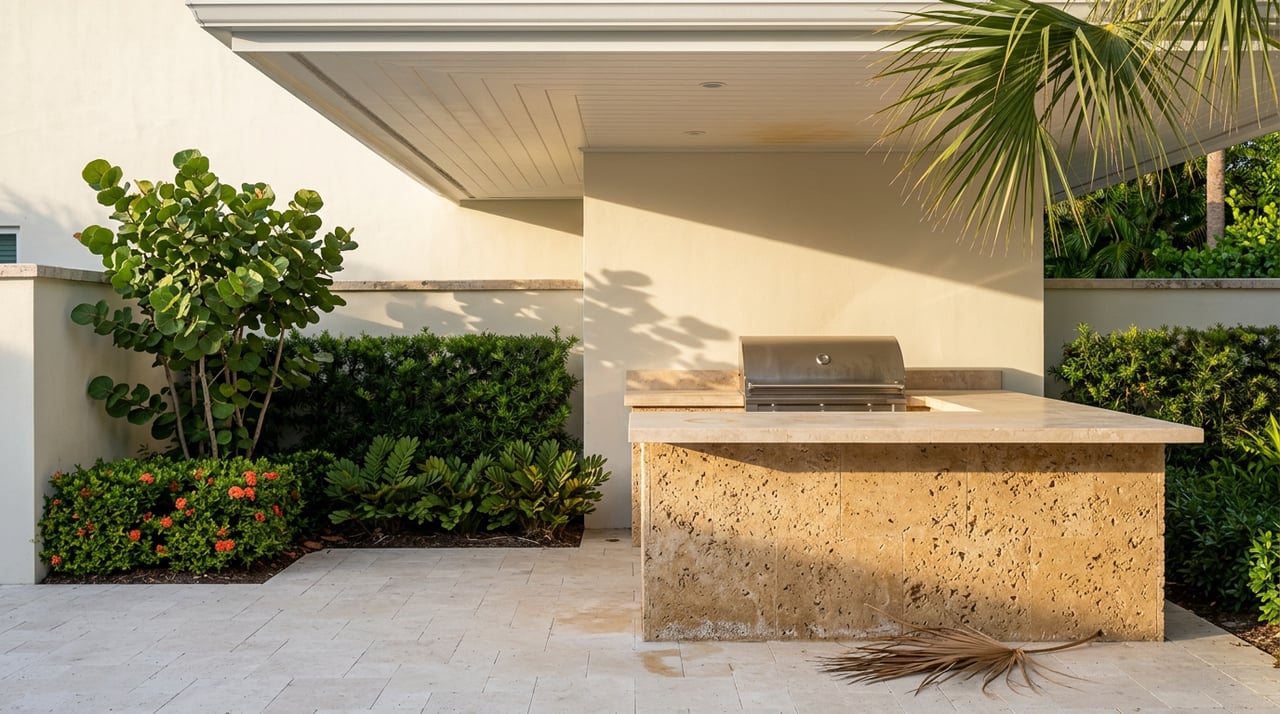
Outdoor living is a top lifestyle driver in Vero Beach. A complete setup that mirrors the interior kitchen is a standout feature.
- Include a built‑in grill with quality ventilation, refrigeration, sink, prep space, weather‑rated storage, and bar seating.
- Balance covered and open areas for sun and shelter, and add bug control for comfort.
- Specify corrosion‑resistant cabinetry, marine‑grade appliances, and non‑slip paving for safety and longevity.
Guest casitas and ADUs
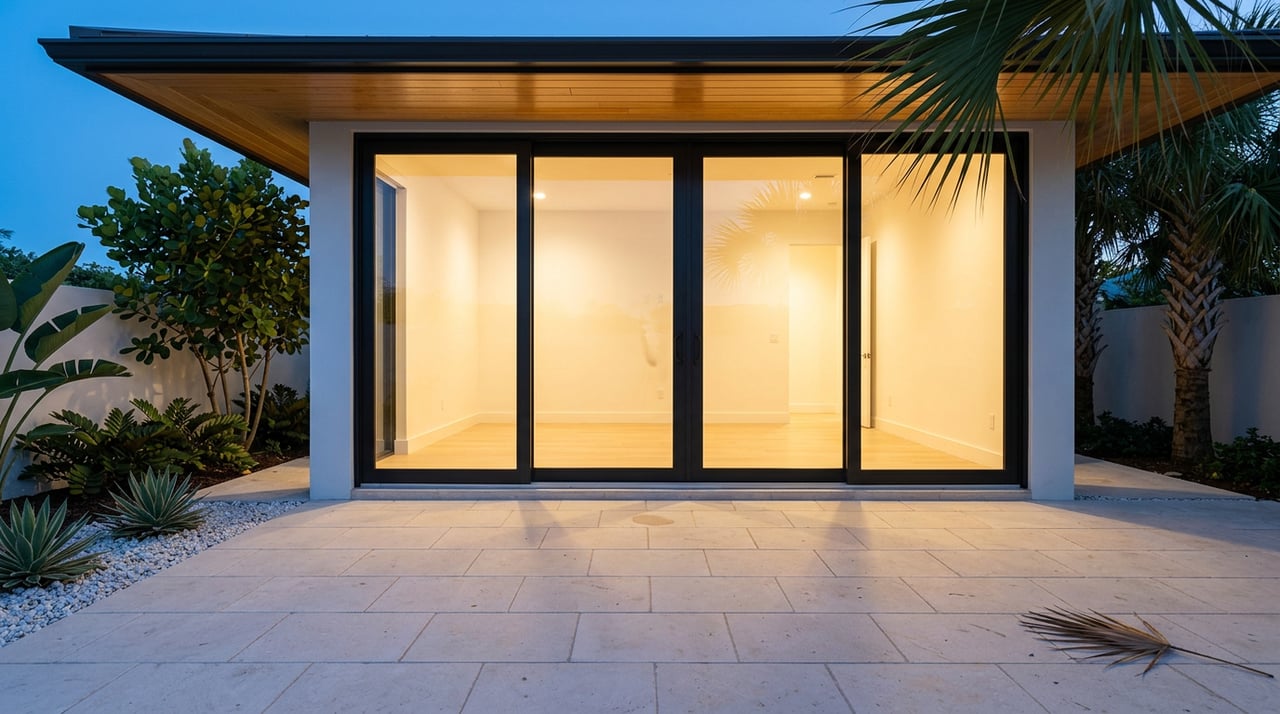
Separate guest suites provide privacy for visitors, multi‑generational living, or staff. A casita with its own entrance, kitchenette, bath, and climate control resonates with high‑end buyers.
- Confirm zoning, lot coverage, and any HOA restrictions before building.
- Ensure proper plumbing capacity and permitted utility connections.
- A well‑appointed, fully permitted casita with documented approvals typically adds strong resale value.
Smart‑home and remote monitoring
Today’s luxury buyers expect intuitive control of lights, HVAC, pool, shades, gates, and security from their phones. Absentee owners especially value remote monitoring and leak or flood alerts.
- Favor open ecosystems with centralized control panels and structured wiring for future upgrades.
- Include EV charger readiness, energy monitoring, and compatibility with solar and battery storage.
- Provide warranties, service plans, and user manuals to simplify ownership.
Coastal‑rated materials and landscaping
Materials that stand up to salt air and humidity reduce ongoing costs, which resonates with both primary and second‑home buyers.
- Use fiber‑cement or coastal‑rated stucco, capped composite decking or porcelain pavers, and 316 stainless fasteners.
- Choose powder‑coated aluminum or stainless cable railings, and quartz or porcelain for exterior counters.
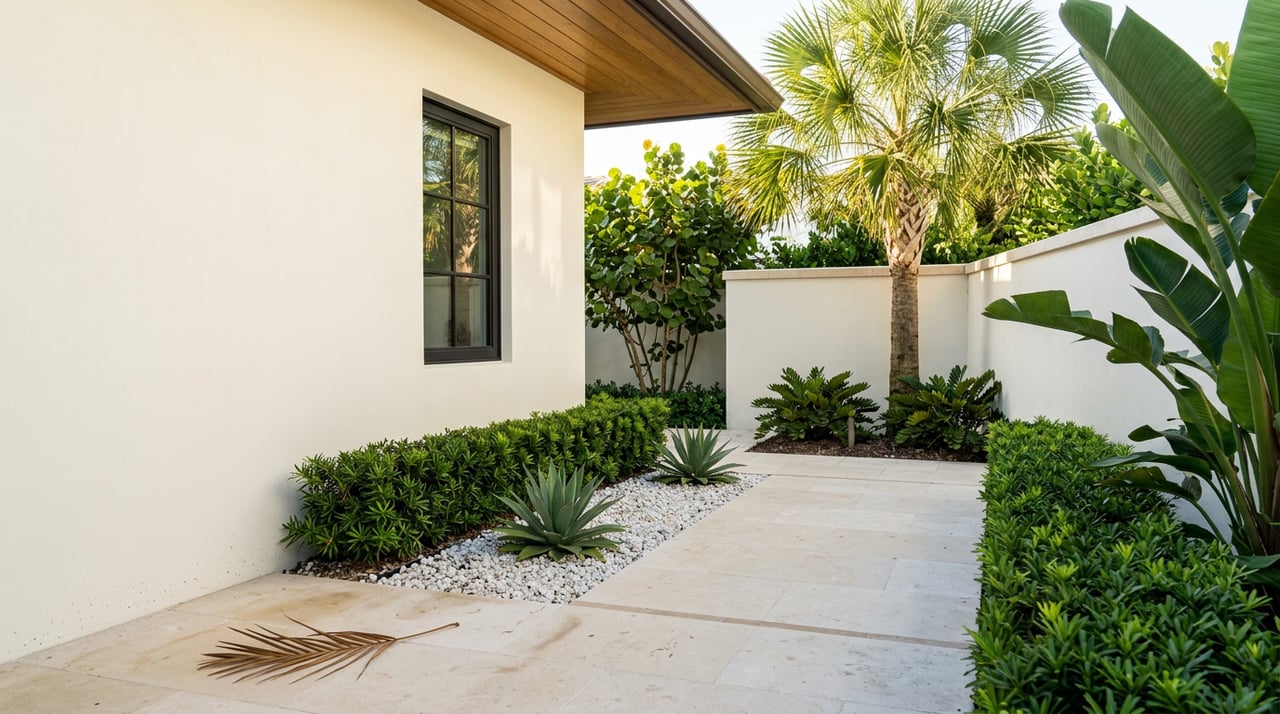
- Select native, salt‑tolerant landscaping and erosion control plantings near dunes where applicable.
Backup power and mechanical placement
Reliable backup power is a must‑have for storm season. Buyers look for systems that keep essentials running and protect equipment from flooding.
- Consider a standby generator sized for essential loads, placed above flood elevation with proper fuel and ventilation.
- Solar and battery storage can supplement or partially back up loads.
- Elevate and secure HVAC and pool equipment, and keep permits and service records organized.
Pools, spas, and wellness amenities
A thoughtfully designed pool and spa complete the resort feel at home. On waterfront lots, infinity edges and integrated spas are popular.
- Saltwater systems are often preferred in coastal settings, with equipment specified for longevity.
- Choose pool finishes and decking for slip resistance and UV and salt tolerance.
- Elevate equipment where possible and allow easy storm prep access.
Permits, insurance, and environmental realities
Waterfront projects involve added oversight. Planning early, and documenting along the way, smooths transactions later.
- Docks, seawalls, and work near tidal waters often need approvals from the U.S. Army Corps of Engineers, the Florida Department of Environmental Protection, and Indian River County.
- Protections for the Indian River Lagoon may shape piling methods, lighting, and dock design to safeguard seagrass and wildlife.
- Flood zone and base flood elevation drive design and insurance needs. Impact glazing, roof tie‑downs, storm shutters, and elevated mechanicals can reduce insurer risk, though specific credits depend on the provider.
- Elevation certificates, engineering plans, and mitigation documentation help buyers and insurers evaluate the home quickly.
Documentation buyers expect
Clear records make luxury listings easier to evaluate and insure. Organize these items before you go to market:
- Permits and titles for docks, seawalls, and shoreline work
- Elevation certificate and recent flood and wind insurance history
- Product approvals for impact windows, doors, and roof systems
- Warranties and maintenance logs for mechanicals, generators, pools, lifts, and home systems
- HOA or club documents, dues, and membership transfer terms
- Recent survey showing boundaries, setbacks, and shoreline position
What to prioritize before you list
If you are preparing a home in 32963 for sale, focus on upgrades with clear lifestyle and resiliency payoffs:
- Documented, permitted dockage or a refreshed seawall with recent inspections
- Certified impact glass and reinforced doors
- A complete outdoor kitchen and layered outdoor living zones
- A permitted guest casita if your lot, zoning, and community allow it
- A smart‑home backbone with remote monitoring
- Coastal‑grade materials and finishes that minimize upkeep
Maintenance transparency builds trust
Even low‑maintenance choices require routine care in a salt environment. Set clear expectations and reduce buyer hesitancy with organized disclosures.
- Share inspection schedules and estimated costs for docks, railings, HVAC, and outdoor appliances.
- Provide copies of maintenance contracts or recent servicing for key systems.
- Note any participation in dune restoration or shoreline studies where relevant.
Planning a new build or major renovation
Waterfront timelines can stretch. Starting early and engaging the right experts protects your budget and schedule.
- Begin environmental and permit reviews as soon as you can, since approvals can take longer near the water.
- Bring in marine engineers for dock or seawall design, and coastal engineers for erosion and shoreline stability.
- Select products with recognized approvals to streamline inspections and future insurance discussions.
Answer buyer questions with confidence
You can anticipate a few recurring questions at high‑end showings. Prepare concise, document‑backed answers.
- Boat mooring: Share water depth at mean low tide, bridge restrictions if any, dock and lift permits, and community marina rules.
- Insurance expectations: Provide recent premium history if available, your elevation certificate, and a list of wind and flood mitigations. Encourage buyers to confirm credits with their insurer.
- Erosion and sea‑level risk: Offer recent surveys, dune restoration records, and any relevant county shoreline studies.
- Maintenance: Outline routine service intervals for docks, exterior finishes, and mechanicals, plus recent work orders.
- Cost‑saving upgrades: Highlight impact glazing, elevated systems, and structural improvements that may help with underwriting.
Ready to position your property
If you are building, renovating, or preparing to sell in 32963, a tailored plan that blends lifestyle features with coastal resiliency will set you apart. From John’s Island and Indian River Shores to The Moorings and oceanfront corridors, the right upgrades and documentation can maximize your outcome and make closing smoother. For discreet guidance on design choices, documentation, and go‑to‑market timing, connect with Luke Webb for a private consultation.
FAQs
What features do luxury buyers prioritize in 32963 homes?
- Buyers look for outdoor living, impact‑rated construction, low‑maintenance materials, and, depending on location, private beach access, protected dockage, or seamless club amenities.
How do impact windows affect insurance in Indian River County?
- Impact‑rated glass and doors can reduce insurer risk and may influence windstorm underwriting, but credits vary by provider, so buyers should confirm with their insurer.
What dock details should I document for riverfront listings in Vero Beach?
- Provide permits, water depth at mean low tide, bridge clearance or restrictions, boatlift capacity, electrical and water service, and dates of inspections or maintenance.
Are guest casitas allowed in Vero Beach communities?
- Eligibility depends on zoning, lot coverage, and HOA rules, so verify local regulations and secure permits if you plan to add or market a casita.
Which materials hold up best in salty, humid climates?
- Coastal‑rated options like fiber‑cement or stucco exteriors, capped composite or porcelain decking, 316 stainless fasteners, powder‑coated rails, and quartz or porcelain counters perform well.
What records help buyers evaluate flood risk in 32963?
- Share your elevation certificate, flood and wind insurance history if available, engineering plans for mitigations, and any shoreline or dune restoration documents.